The menstrual cycle is one of the strongest indicators of a woman’s hormonal and reproductive health. When periods become unpredictable, painful, absent, or unusually heavy, it often reflects an underlying imbalance. One of the most common causes is Polycystic Ovary Syndrome (PCOS), a hormonal and metabolic condition affecting 1 in 5 Indian women.
PCOS does not look the same in every woman. Some may have acne or weight gain, while others may notice only irregular cycles. Understanding how PCOS influences menstrual patterns helps with early detection, prevention of long-term complications, and better management.
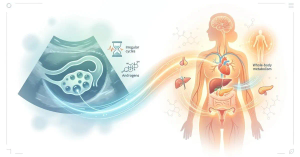
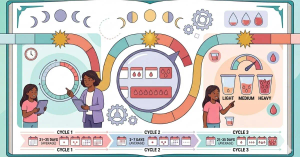
A typical cycle lasts 21 to 35 days. Hormones released by the brain and ovaries work in sequence:
Regular ovulation keeps cycles predictable and maintains hormonal balance.
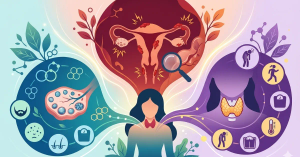
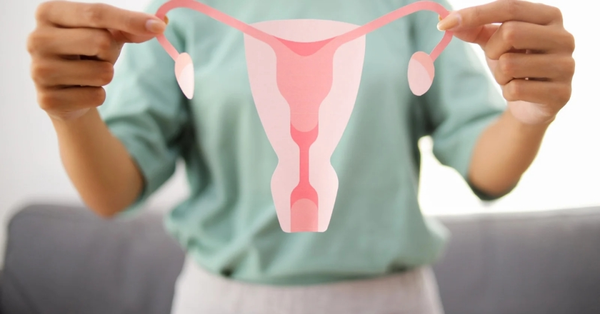
PCOS is a condition where the ovaries produce higher-than-normal levels of androgens (male hormones). This disrupts ovulation and affects metabolism, insulin function, and reproductive hormone balance. PCOS may also cause ovarian follicles to remain immature instead of releasing an egg.
The exact cause is unclear, but genetics, insulin resistance, weight changes, inflammation, and lifestyle contribute.
Women with PCOS may bleed:
This happens because ovulation does not occur consistently. Without ovulation, the usual hormonal rhythm breaks, leading to scattered menstrual patterns.
PCOS is a leading cause of anovulation. Follicles mature but do not release an egg. Without ovulation, progesterone is not produced, so the endometrium thickens under estrogen alone. This creates unpredictable bleeding.
A cycle lasting more than 35 days is common in PCOS. Some women experience prolonged gaps between periods, sometimes lasting months.
Some women with PCOS may stop menstruating completely for three months or longer. Although it may seem convenient, it requires medical attention because prolonged lack of shedding can cause complications.
Chronic anovulation causes the uterine lining to build up excessively. When bleeding finally occurs, it may be heavier, last longer, and increase the risk of iron deficiency anemia.
Some women bleed very lightly because hormonal signals are insufficient to stabilize the endometrial lining.
PCOS itself does not always cause severe cramps, but heavy bleeding, clots, and prolonged cycles may increase discomfort.
Higher testosterone levels interfere with egg development and ovulation. This prevents the monthly hormonal sequence needed for regular periods.
About 70% of women with PCOS have insulin resistance. High insulin stimulates ovaries to produce more androgens, further disturbing ovulation.
Women with PCOS may have:
This hormonal picture disrupts cycle timing and flow.
Seek medical evaluation if you experience:
Not every irregular cycle means PCOS, but early assessment prevents complications.
Doctors evaluate:
Tests may include:
Diagnosis requires ruling out pregnancy, thyroid disease, premature ovarian insufficiency, hyperprolactinemia, and other hormonal disorders.
Chronic anovulation may lead to:
Regular cycle monitoring supports early treatment.
Management depends on symptoms, age, fertility goals, weight, and metabolic health.
Small, consistent changes improve hormonal balance:
Under medical supervision, treatment may include:
Self-medication is not safe.
Use apps, calendars, or journals to record:
This helps doctors personalize care.
With appropriate therapy, many women:
PCOS is manageable with correct guidance.
Consult a gynecologist or endocrinologist if:
Timely evaluation protects long-term health.
Menstrual irregularities are one of the earliest and most visible signs of PCOS. The condition interferes with ovulation, hormone balance, and uterine lining patterns, leading to delayed, heavy, absent, or unpredictable periods. While cycle changes can feel confusing or frustrating, they are understandable and treatable. Tracking symptoms, seeking medical care, and adopting supportive lifestyle habits can restore balance, prevent complications, and improve wellbeing. Every woman with PCOS deserves compassionate, individualized, and evidence-based care.
About PeriodSakhi
PeriodSakhi is your trusted companion for understanding your menstrual health. With easy-to-use tools, it helps you track your periods, ovulation, fertility, moods, and symptoms, while providing insights into your overall reproductive and hormonal health. PeriodSakhi also serves as a supportive online community where women can share experiences, find reliable information, and access expert-backed guidance on menstrual health, PCOS, pregnancy, lifestyle, and more.
Disclaimer
The views, thoughts, and opinions expressed in this article/blog are solely those of the author and do not necessarily reflect the views of PeriodSakhi. Any omissions, errors, or inaccuracies are the responsibility of the author. PeriodSakhi assumes no liability or responsibility for any content presented. Always consult a qualified medical professional for specific advice related to menstrual health, fertility, pregnancy, or related conditions.
Start the conversation
No comments yet. Start the conversation by leaving the first comment!