Some days, energy feels trapped under layers of tiredness, and motivation hides behind a fog of overthinking. On those days, walking is medicine. It’s simple, rhythmic, and healing and helping your body move stress out and bring fresh energy in. Science backs this up: walking increases circulation, improves oxygen flow, and releases endorphins, the natural “feel-good” chemicals that uplift mood and calm the mind.
A good walking plan isn’t just about steps; it’s about rhythm, sunlight, and peace.
Why Walking Helps Both Mood and Energy
Walking gently activates your heart, muscles, and brain at the same time. Unlike intense workouts, it doesn’t drain energy, it restores it.
Regular walking has been shown to:
Even short walks trigger endorphins, giving an instant emotional lift. It’s one of the most natural forms of stress relief available.
The best time to walk depends on your goal and energy rhythm:
Both times are beneficial. Choose what feels natural — consistency matters more than timing.
This plan gradually builds endurance while staying enjoyable and restorative.
Day 1: Slow Reconnection (20 minutes)
Walk at a relaxed pace. Focus on your breath and posture. Notice the environment around you — sounds, light, the movement of your feet.
Day 2: Steady Flow (25 minutes)
Increase pace slightly. Keep shoulders open and arms swinging freely. Add small bursts of brisk walking for 30–40 seconds every few minutes.
Day 3: Mindful Nature Walk (30 minutes)
Choose a park or quiet street. Walk at a steady speed while focusing on what you see and hear — this mindful attention lowers anxiety.
Day 4: Power Walk (30–35 minutes)
Alternate 2 minutes of brisk walking with 1 minute of slower pace. This light interval boosts cardiovascular health and releases strong endorphins.
Day 5: Social Stroll (25 minutes)
Walk with a friend, family member, or even while listening to a light podcast. Social connection during movement enhances emotional well-being.
Day 6: Evening Calm Walk (20 minutes)
After sunset, walk slowly, breathe deeply, and let go of mental clutter. Use this time to process your day quietly.
Day 7: Long Gentle Walk (40 minutes)
Choose your favorite route and walk for pure pleasure. Let your mind wander freely creativity often awakens during unhurried movement.
Keep your head upright, shoulders relaxed, and arms swinging naturally. Inhale through the nose and exhale through the mouth. Deep, rhythmic breathing increases oxygen supply and helps the nervous system relax.
If your mind feels restless, match your breath to your steps for example, inhale for three steps and exhale for three steps. This steady rhythm soothes overthinking.
A light snack like a banana, apple, or handful of nuts gives steady energy. Avoid heavy meals immediately before walking. Hydrate well even mild dehydration can cause fatigue or irritability.
After walking, drink water or coconut water to replenish lost fluids.
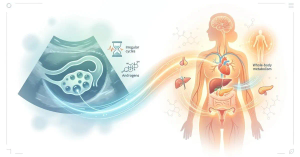
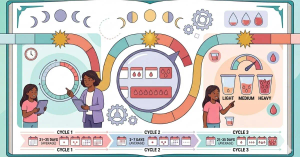
Walking supports hormonal balance by lowering cortisol and improving insulin sensitivity. For women, this means better energy, less PMS irritability, and fewer fatigue crashes across the menstrual cycle. It also enhances blood circulation in the pelvis, which can ease mild cramps and improve mood during periods.
On low-motivation days, starting small even a 5-minute stroll counts. The first few steps are the hardest, but movement naturally builds momentum. Tell yourself: “I just need to step outside.” Once you start, your body often carries you the rest of the way.
Walking is not just physical. It is a quiet space to process emotions, rethink problems, and let go of worries. It’s meditation in motion, each step grounding you in the present moment.
Many people find their best ideas, calmest thoughts, and clearest insights come mid-walk. The body moves, and the mind finds its rhythm again.
Walking is not about distance; it’s about connection with breath, with time, with yourself. Each step lifts a little of what feels heavy.
“In every walk with nature, one receives far more than he seeks.” — John Muir
When your energy dips or your heart feels heavy, step outside. The air will do what it always does quietly heal you.
About PeriodSakhi
PeriodSakhi is your trusted companion for understanding your menstrual health. With easy-to-use tools, it helps you track your periods, ovulation, fertility, moods, and symptoms, while providing insights into your overall reproductive and hormonal health. PeriodSakhi also serves as a supportive online community where women can share experiences, find reliable information, and access expert-backed guidance on menstrual health, PCOS, pregnancy, lifestyle, and more.
Disclaimer
The views, thoughts, and opinions expressed in this article/blog are solely those of the author and do not necessarily reflect the views of PeriodSakhi. Any omissions, errors, or inaccuracies are the responsibility of the author. PeriodSakhi assumes no liability or responsibility for any content presented. Always consult a qualified medical professional for specific advice related to menstrual health, fertility, pregnancy, or related conditions.
Start the conversation
No comments yet. Start the conversation by leaving the first comment!