Fertility can return surprisingly quickly after childbirth even before your first postpartum period. Understanding how hormones behave during this time helps you make informed choices about family planning, contraception, and reproductive health.
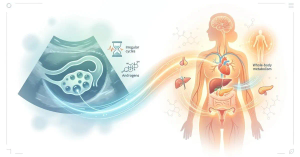
After delivery, the body gradually transitions from the pregnant to the non-pregnant state. This process involves resetting the hypothalamic–pituitary–ovarian (HPO) axis, which regulates ovulation and menstruation.
Key hormonal changes include:
This suppression of ovulation forms the basis of lactational amenorrhea (the natural absence of periods during breastfeeding). However, this is not always as reliable as contraception.
The return of ovulation varies widely from woman to woman and depends mainly on breastfeeding patterns and individual hormonal balance.
1. If You Are Exclusively Breastfeeding:
2. If You Are Partially Breastfeeding or Formula Feeding:
3. After Weaning:
Yes, absolutely.
Many women assume they can’t conceive until menstruation returns but ovulation occurs before your first period. This means pregnancy is possible even in the first few weeks after delivery if no contraception is used.
A 2023 study published in Obstetrics & Gynecology found that nearly 30% of women ovulated before their first postpartum period, highlighting how unpredictable early fertility can be.
While fertility may return soon after birth, health experts recommend allowing the body sufficient recovery time before conceiving again.
Shorter intervals may increase maternal and neonatal health risks because the body’s nutritional stores (iron, calcium, folate) and uterine tone need time to recover fully.
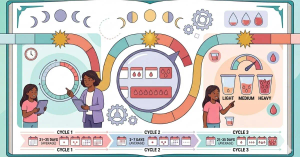
Once the hormonal feedback loop stabilizes, cycles become regular again, typically within 6–9 months for breastfeeding women and sooner for non-breastfeeding mothers.
If you wish to delay conception, there are safe contraceptive options compatible with breastfeeding:
Always consult your gynecologist before starting hormonal contraception postpartum, especially if you’re breastfeeding or have medical conditions such as hypertension or clotting disorders.
Recovery after a cesarean section is slightly longer due to uterine healing.
While ovulation can return at the same pace as after a vaginal birth, it’s advisable to wait at least 18–24 months before conceiving again to reduce the risk of uterine rupture, placental adhesion, and preterm labor.
Consult your healthcare provider if:
Postpartum fertility is both fascinating and unpredictable. While breastfeeding can naturally delay ovulation, conception is still possible earlier than expected. Every woman’s body follows its own timeline, influenced by hormones, breastfeeding patterns, and recovery pace.
Whether you’re ready for another baby or wish to prevent pregnancy, understanding how postpartum hormones interact gives you the power to plan your reproductive journey safely and consciously. Giving your body time to heal isn’t just about spacing pregnancies, it’s about nurturing long-term health and well-being for both mother and baby.
About PeriodSakhi
PeriodSakhi is your trusted companion for understanding your menstrual health. With easy-to-use tools, it helps you track your periods, ovulation, fertility, moods, and symptoms, while providing insights into your overall reproductive and hormonal health. PeriodSakhi also serves as a supportive online community where women can share experiences, find reliable information, and access expert-backed guidance on menstrual health, PCOS, pregnancy, lifestyle, and more.
Disclaimer
The views, thoughts, and opinions expressed in this article/blog are solely those of the author and do not necessarily reflect the views of PeriodSakhi. Any omissions, errors, or inaccuracies are the responsibility of the author. PeriodSakhi assumes no liability or responsibility for any content presented. Always consult a qualified medical professional for specific advice related to menstrual health, fertility, pregnancy, or related conditions.
Start the conversation
No comments yet. Start the conversation by leaving the first comment!