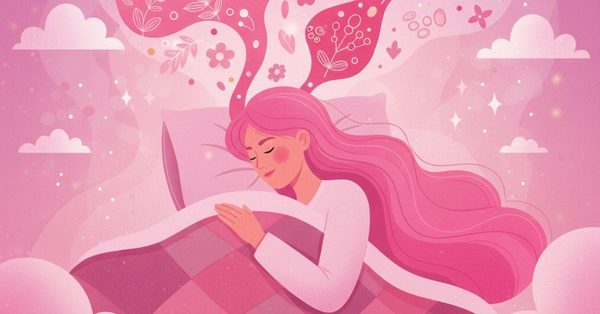
“Your sleep is the quiet mirror of your hormones.”
Sleep is one of the most important pillars of women’s health, yet it is often the first to be disrupted during the menstrual cycle. Hormones like estrogen and progesterone influence the sleep-wake rhythm, body temperature, mood, and mental clarity. These changes are not random. They follow a predictable pattern throughout the cycle.
For many women, poor sleep is dismissed as “stress.” In reality, it is often the cycle speaking through the body. When women understand these signals, they can plan their days better, improve mood regulation, and reduce symptoms like fatigue and irritability.
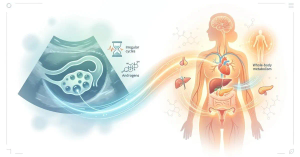
Estrogen improves sleep by supporting serotonin and stabilising mood. It also lowers body temperature, helping the body fall asleep faster.
Progesterone acts like a natural sedative. It increases slow-wave sleep but also raises body temperature, which may cause night sweats or restlessness in some women.
Cortisol is the stress hormone. When it rises around periods due to pain or emotional strain, sleep becomes shallow and fragmented.
Melatonin regulates the sleep-wake cycle. Fluctuations in hormones may alter how melatonin is released, especially before periods.
Understanding this hormonal conversation helps us understand why sleep feels easy in some phases and difficult in others.
Many women feel more tired during periods. Sleep is often disturbed because of pain, cramps, or low energy.
Low estrogen and progesterone affect serotonin, body temperature, and pain tolerance. Pain signals interrupt deep sleep and shorten REM sleep.
This is usually the easiest phase for sleep.
Estrogen rises steadily, improving serotonin and stabilising the sleep-wake pattern.
Ovulation is short but brings noticeable changes.
A sharp estrogen peak boosts alertness, which can make falling asleep harder.
This is the phase where sleep is most affected, especially in women with PMS or PMDD.
Progesterone rises and then drops sharply before periods. This sudden dip affects body temperature, mood, and melatonin rhythm. Bloating and breast tenderness may also cause discomfort at night.
Sleep problems do not only result from hormonal changes. Lack of sleep can also worsen cycle symptoms.
Insufficient sleep raises inflammation, amplifying cramps.
Irregular sleep can affect the hormonal signal that triggers ovulation.
Sleep loss affects serotonin, leading to mood swings, irritability, and anxiety.
Poor sleep affects hunger hormones, increasing cravings for sugar and salt.
Women with PCOS already have higher cortisol levels. Poor sleep can worsen insulin resistance and irregular cycles.
Good sleep is therefore essential for hormonal balance, mental clarity, and predictable cycles.
Women should speak to a doctor if they experience:
Sometimes, underlying conditions like anemia, thyroid disorders, anxiety, or hormonal imbalances require proper treatment.
Busy lives, rotating shifts, long work hours, and screen exposure affect women’s sleep more than ever. Women often prioritise family and work over rest. This imbalance becomes more visible during the menstrual cycle.
Healthy sleep hygiene is not a luxury. It is a medical need. Even small improvements, consistent bedtime, reduced screen time, and calming evening routines can stabilize hormones and improve cycle health.
Sleep and the menstrual cycle are deeply connected. Each phase brings predictable changes that influence rest, mood, and energy. When women understand these patterns, they can plan their work, social life, self-care, and rest more mindfully.
Better sleep improves not just the menstrual cycle but mental health, productivity, and overall wellbeing. Listening to the body and creating small, consistent routines can make every phase of the cycle easier to manage.
About PeriodSakhi
PeriodSakhi is your trusted companion for understanding your menstrual health. With easy-to-use tools, it helps you track your periods, ovulation, fertility, moods, and symptoms, while providing insights into your overall reproductive and hormonal health. PeriodSakhi also serves as a supportive online community where women can share experiences, find reliable information, and access expert-backed guidance on menstrual health, PCOS, pregnancy, lifestyle, and more.
Disclaimer
The views, thoughts, and opinions expressed in this article/blog are solely those of the author and do not necessarily reflect the views of PeriodSakhi. Any omissions, errors, or inaccuracies are the responsibility of the author. PeriodSakhi assumes no liability or responsibility for any content presented. Always consult a qualified medical professional for specific advice related to menstrual health, fertility, pregnancy, or related conditions.
Start the conversation
No comments yet. Start the conversation by leaving the first comment!