“A loss so silent can still shake the entire heart. Understanding it is the first step toward healing.”
Miscarriage is the spontaneous loss of pregnancy before 20 weeks. It is one of the most common pregnancy complications, yet it remains emotionally heavy and often misunderstood. Many individuals blame themselves, even though most miscarriages happen due to factors beyond anyone’s control. Understanding the medical reasons behind miscarriage and knowing how to seek support can help parents navigate this difficult experience with clarity and compassion.
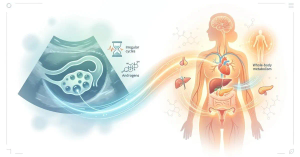
A miscarriage occurs when a pregnancy ends on its own within the first or early second trimester. Nearly 80% of miscarriages happen during the first 12 weeks. Clinically, it may present as vaginal bleeding, abdominal cramps, back pain, or passing of tissue. Sometimes, a miscarriage is diagnosed on ultrasound when no fetal heartbeat is detected.
The most common cause of early miscarriage is chromosomal abnormalities in the embryo. These occur by chance when the egg or sperm forms, or during early cell division. Conditions like trisomies, monosomy X (Turner syndrome), or polyploidy can prevent normal embryonic development.
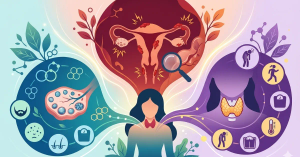
Low progesterone, uncontrolled thyroid disorders (hyperthyroidism or hypothyroidism), and poorly managed diabetes can increase miscarriage risk. Progesterone supports the uterine lining and implantation, so low levels may affect pregnancy stability.
Abnormalities such as uterine septum, fibroids, intrauterine adhesions, or congenital malformations can interfere with implantation or blood supply to the developing fetus.
Certain infections like toxoplasmosis, listeria, rubella, cytomegalovirus, or sexually transmitted infections can increase miscarriage risk. Severe fevers may also contribute.
Conditions like Antiphospholipid Syndrome (APS) can cause early or recurrent pregnancy loss due to abnormal blood clotting affecting placental formation.
Smoking, heavy alcohol intake, illicit drug use, chronic stress, and high caffeine consumption may increase miscarriage risk. Occupational exposure to radiation or toxins can also contribute.
The risk of miscarriage increases with age. Women above 35 have a higher likelihood of chromosomal abnormalities in the embryo, which raises the miscarriage rate.
Vaginal bleeding occurs but the pregnancy may still continue. Ultrasound and monitoring are necessary.
Bleeding and cramps are present along with cervical dilation, indicating that miscarriage cannot be prevented.
Some pregnancy tissue remains in the uterus, requiring medical or surgical management.
All tissue has passed, bleeding reduces, and no further treatment may be needed.
The embryo stops developing, but no symptoms appear initially. Ultrasound diagnosis is essential.
Diagnosis typically includes:
In cases of recurrent miscarriage, further testing may include genetic evaluation, thyroid tests, blood clotting studies, and uterine imaging.
Allowing the tissue to pass naturally. This can take days to weeks and is monitored closely.
Medications like misoprostol help the uterus expel pregnancy tissue more quickly and safely.
Procedures like dilation and curettage (D&C) may be needed in cases of heavy bleeding, infection, or incomplete miscarriage.
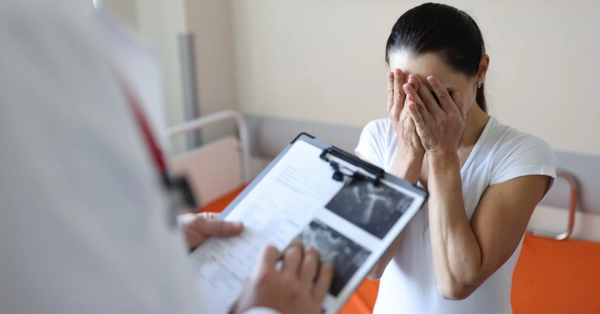
Miscarriage is not just a medical event; it is an emotional experience. Feelings of grief, guilt, anger, and confusion are normal. Both partners may process the loss differently.
Supportive strategies include:
It is also important to know that most people go on to have healthy pregnancies after a miscarriage.
Earlier guidelines recommended waiting three months, but newer evidence suggests that trying again after one normal menstrual cycle is safe for most people. However, if underlying medical issues are present, individualised guidance from a gynaecologist is essential.
Miscarriage is a deeply personal and often painful experience, but it is not a reflection of one’s body, choices, or worth. Most miscarriages occur due to genetic or medical factors that cannot be controlled. With appropriate medical care, emotional support, and compassionate understanding, healing is possible. Reaching out to healthcare professionals and support systems can make the journey forward gentler and more informed.
About PeriodSakhi
PeriodSakhi is your trusted companion for understanding your menstrual health. With easy-to-use tools, it helps you track your periods, ovulation, fertility, moods, and symptoms, while providing insights into your overall reproductive and hormonal health. PeriodSakhi also serves as a supportive online community where women can share experiences, find reliable information, and access expert-backed guidance on menstrual health, PCOS, pregnancy, lifestyle, and more.
Disclaimer
The views, thoughts, and opinions expressed in this article/blog are solely those of the author and do not necessarily reflect the views of PeriodSakhi. Any omissions, errors, or inaccuracies are the responsibility of the author. PeriodSakhi assumes no liability or responsibility for any content presented. Always consult a qualified medical professional for specific advice related to menstrual health, fertility, pregnancy, or related conditions.
Start the conversation
No comments yet. Start the conversation by leaving the first comment!