More parents today are noticing a concerning shift. Breast development in primary school years and menstruation beginning earlier than expected are raising important questions.
While genetics and nutrition play a part, researchers are increasingly studying environmental factors. In particular, the link between endocrine disruptors and early puberty has become an important area of scientific investigation.
Are common household plastics and cosmetics affecting children’s development? Is there credible evidence connecting BPA and early puberty? And how strong are the environmental causes of early menstruation? Let’s look at the facts in a clear and balanced way.
The endocrine system is responsible for controlling various vital functions of the body using hormones as signaling molecules. The endocrine system controls growth, metabolism, mood, and the development of the reproductive system. Puberty starts when the ovaries or testes are stimulated by hormones from the brain to produce sex hormones.
Endocrine disruptors are chemicals that are either made in a lab or found in nature that mess with this communication process. They can act like hormones, block hormone receptors, or stop hormones from being made. Researchers are looking into the role of endocrine disruptors and early puberty because the early years of life are the most vulnerable.
These chemicals are found in common items such as plastic containers, cosmetics, household items, and agricultural pesticides. It is not possible to eradicate exposure, but knowledge of their workings is the first step towards mitigating risk.
Some common chemicals that can mess with hormone systems are:
One reason scientists are focused on these chemicals is that they can act like estrogen, the hormone responsible for female sexual development, and potentially alter normal developmental pathways.
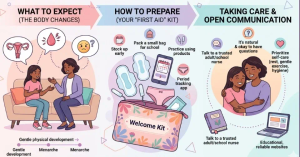
Early puberty, also known as precocious puberty, is when the body starts to develop sexual characteristics at a younger age than normal. In girls, this may include:
Early puberty goes beyond just the physical aspects. Studies show it can impact emotional well-being, social adjustment, and long-term health. Girls who mature earlier may be more prone to anxiety, body image concerns, and certain health issues later in life.
Research shows that higher levels of some endocrine disruptors are linked to changes in pubertal timing, especially in girls. Certain phthalates and persistent pollutants are most commonly associated with earlier breast development or menarche.
Not all chemicals have the same effect, and study results vary. Still, the overall evidence is concerning enough that experts view endocrine disruptors and early puberty as a serious public health concern.
BPA can act like a weak form of estrogen, the main female hormone. Some studies have found that girls with higher BPA levels show earlier puberty or altered development, though results are mixed.
BPA alone does not directly cause early periods in every child. However, evidence from human and animal studies, combined with its hormone-like properties, has led health organizations to recommend reducing unnecessary BPA exposure, especially in children. While the link between BPA and early puberty is not simple, it is a valid concern for parents.
Phthalates are another set of plastic chemicals that are being closely researched. Some of them have been found to have weak estrogenic effects or to inhibit the effects of male hormones. Studies have found certain phthalates to be associated with precocious or irregular puberty in girls, while others have found delayed puberty.
Overall, the evidence suggests plastic-related chemicals may influence pubertal timing in complex ways. They are not the sole cause, but they may contribute to environmental causes of early menstruation, particularly alongside factors such as diet and body weight.
BPA is just one part of the story. Environmental causes of early menstruation may include:
But it’s important to remember that environmental chemical exposures are just one part of a broader picture that includes lifestyle, nutrition, and genetic factors.
Consistent changes can significantly lower their exposure during these important years of growth. Here are some simple tips:
1. Reduce Plastic Use Around Food
2. Choose BPA-Free Products
3. Wash Fruits and Vegetables Well
4. Limit Packaged and Canned Foods
5. Be Mindful of Personal Care Products
Early puberty can have an impact on both physical growth and emotional health, as well as long-term health. Genetics and lifestyle are important, but studies show that environmental factors, such as endocrine disruptors and early puberty, are becoming more important to think about. Chemicals like BPA and phthalates, as well as pesticides and air pollution, may be some of the things that cause girls to start their periods early.
While parents cannot completely avoid BPA exposure, steps like cutting down on plastic use, opting for BPA-free products, and consuming fewer processed foods can make a big difference. Parents can educate themselves and make informed decisions to shield their children from the effects of BPA exposure and ensure that their puberty timing is healthy.
About PeriodSakhi
PeriodSakhi is your trusted companion for understanding your menstrual health. With easy-to-use tools, it helps you track your periods, ovulation, fertility, moods, and symptoms, while providing insights into your overall reproductive and hormonal health. PeriodSakhi also serves as a supportive online community where women can share experiences, find reliable information, and access expert-backed guidance on menstrual health, PCOS, pregnancy, lifestyle, and more.
Disclaimer
The views, thoughts, and opinions expressed in this article/blog are solely those of the author and do not necessarily reflect the views of PeriodSakhi. Any omissions, errors, or inaccuracies are the responsibility of the author. PeriodSakhi assumes no liability or responsibility for any content presented. Always consult a qualified medical professional for specific advice related to menstrual health, fertility, pregnancy, or related conditions.
Start the conversation
No comments yet. Start the conversation by leaving the first comment!