It is the second day of your period. You are already dealing with cramps, low energy, and discomfort. Then comes a burning sensation while passing urine. You feel the urge to go again and again, but only a few drops pass each time.
You wonder, “Is this because of my periods?”
The answer is yes, sometimes it is. There is a real, medically recognized connection between menstruation and urinary tract infections (UTIs), especially in young women.
A Urinary Tract Infection is an infection that affects any part of the urinary system, most commonly the bladder. It is usually caused by bacteria, especially E. coli, entering the urinary tract.
Burning sensation while urinating
Frequent urge to urinate
Cloudy or strong-smelling urine
Lower abdominal discomfort
Sometimes fever (in more serious cases)
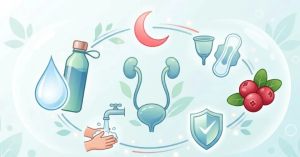
Menstruation creates a unique environment that can increase the risk of infection. Let us understand why.
During periods, the use of pads or tampons creates a warm, moist area, which is ideal for bacterial growth.
The urethra, vagina, and anus are very close in females. This makes it easier for bacteria to travel from one area to another, especially if hygiene is not optimal.
Not changing pads or tampons frequently allows bacteria to multiply and increases the risk of infection.
Fluctuations in hormones during menstruation can slightly alter the vaginal flora, reducing natural protection against harmful bacteria.
Many women drink less water during periods due to bloating or discomfort, which reduces urine flow and allows bacteria to stay longer in the urinary tract.
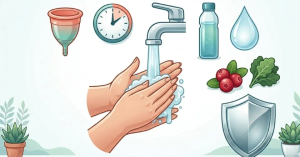
The good news is that UTIs during periods are largely preventable with small, consistent habits.
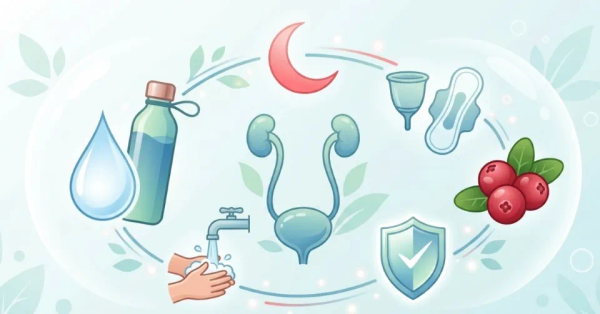
Change pads every 4–6 hours
Tampons every 4–8 hours
Consider menstrual cups with proper hygiene
This reduces bacterial buildup significantly.
This is one of the most important habits.
It prevents bacteria from the anal area from reaching the urethra.
Aim for 2.5–3 liters of water daily
Proper hydration helps flush out bacteria naturally
Holding urine allows bacteria to multiply.
Empty your bladder every 3–4 hours, even if you do not feel a strong urge.
Wash the external genital area with plain water or mild cleanser
Avoid harsh soaps, douches, or scented products
Over-cleaning can disturb natural protective bacteria.
Prefer cotton underwear
Avoid tight, non-breathable clothes during periods
This keeps the area dry and reduces bacterial growth.
If sexually active during periods, always urinate after intercourse to flush out bacteria.
If you frequently get infections:
Try switching brands of pads
Consider menstrual cups with proper sterilization
Avoid prolonged tampon use if prone to infections
Do not ignore symptoms. Seek medical help if you have:
Burning urination lasting more than 1–2 days
Fever or chills
Blood in urine
Severe lower abdominal pain
Untreated UTIs can spread to the kidneys and become serious.
Many women normalize discomfort during periods and delay seeking help. But pain, burning, or repeated infections are not “normal period problems.” They are signs your body needs attention.
The link between menstruation and UTIs is real, but it is not something to fear. With simple, mindful habits, you can significantly reduce your risk and stay comfortable during your periods.
Your period is a natural process, not a time to suffer silently. Taking small steps every day can protect your health in the long run.
National Health Service (NHS) – Urinary tract infections
Cleveland Clinic – UTI causes and prevention
World Health Organization – Menstrual hygiene guidelines
PubMed-reviewed studies on female urogenital infections and hygiene practices
If you or someone you know often experiences burning urination during periods, do not ignore it. Start with these simple habits today and consult a doctor when needed.
For more such practical, medically accurate women’s health guides, stay connected with your journey of safe, informed, and peaceful periods.
About PeriodSakhi
PeriodSakhi is your trusted companion for understanding your menstrual health. With easy-to-use tools, it helps you track your periods, ovulation, fertility, moods, and symptoms, while providing insights into your overall reproductive and hormonal health. PeriodSakhi also serves as a supportive online community where women can share experiences, find reliable information, and access expert-backed guidance on menstrual health, PCOS, pregnancy, lifestyle, and more.
Disclaimer
The views, thoughts, and opinions expressed in this article/blog are solely those of the author and do not necessarily reflect the views of PeriodSakhi. Any omissions, errors, or inaccuracies are the responsibility of the author. PeriodSakhi assumes no liability or responsibility for any content presented. Always consult a qualified medical professional for specific advice related to menstrual health, fertility, pregnancy, or related conditions.
Start the conversation
No comments yet. Start the conversation by leaving the first comment!