Many women notice a pattern: just a few days before their period begins, energy levels drop, motivation fades, and even simple daily tasks feel exhausting. This overwhelming tiredness commonly referred to as premenstrual fatigue is not just “in your head.” It is a medically recognized symptom linked to hormonal, physical, and emotional changes that occur during the menstrual cycle.
As a healthcare professional, it is important to reassure patients that this experience is valid and common. However, understanding why it happens and how to manage it can significantly improve quality of life.
Premenstrual fatigue refers to persistent tiredness, low energy, and reduced stamina that occurs during the luteal phase of the menstrual cycle (typically the 7–10 days before menstruation). It is often part of Premenstrual Syndrome (PMS) or, in more severe cases, Premenstrual Dysphoric Disorder (PMDD).
According to guidelines from the NHS and evidence published in PubMed-indexed studies, fatigue is one of the most commonly reported symptoms of PMS, affecting up to 70–80% of menstruating women to varying degrees.
Premenstrual fatigue is multifactorial. Several biological and psychological mechanisms contribute to this feeling of exhaustion.
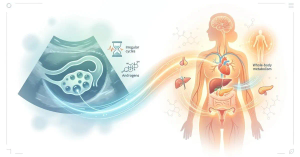
The most significant factor is the shift in hormones—particularly estrogen and progesterone.
After ovulation, progesterone rises and estrogen falls. This hormonal shift can lead to:
As menstruation approaches, both hormone levels drop sharply, which can further worsen fatigue.
Clinical insight: Studies in PubMed show that declining estrogen levels are linked to reduced serotonin activity, which directly affects mood and energy.
Serotonin is a neurotransmitter that regulates mood, sleep, and energy.
Before menstruation:
This is why premenstrual fatigue often coexists with:
Many women report disturbed sleep in the premenstrual phase.
Common issues include:
According to NHS guidance, hormonal fluctuations can disrupt the body’s circadian rhythm, leading to poor sleep even if total sleep time seems adequate.
Your body is preparing for menstruation, which is a physiologically active process.
This internal activity requires energy, leaving you feeling physically drained.
Certain deficiencies can worsen fatigue, especially:
Even before actual blood loss begins, low baseline iron levels can make fatigue more noticeable during the premenstrual phase.
Cravings for sugary foods are common before periods.
This cycle can make energy levels unstable throughout the day.
Premenstrual days often come with:
This mental strain can feel physically exhausting.
Case 1: Working Professional
A 27-year-old corporate employee reports feeling extremely tired 3–4 days before her period. She struggles to focus during meetings and often needs naps after work. On evaluation, she has mild PMS and borderline low iron levels.
Learning point: Addressing both hormonal and nutritional factors improved her symptoms significantly.
Case 2: Medical Student
A 23-year-old student experiences fatigue, poor concentration, and mood swings before exams—coinciding with her premenstrual phase.
Learning point: Sleep hygiene and cycle tracking helped her plan study schedules better.
Case 3: Homemaker
A 32-year-old mother feels unusually exhausted and irritable before her period, affecting her daily routine and parenting.
Learning point: Lifestyle changes and magnesium supplementation reduced her fatigue.
Premenstrual fatigue is normal if:
However, consult a doctor if:
These may indicate:
Management should be holistic, combining lifestyle, nutritional, and medical approaches.
Follow NHS dietary recommendations:
Supplementation should be taken under medical advice.
Even light exercise helps:
Activities like yoga, walking, or stretching are effective.
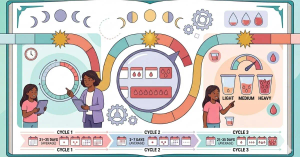
Understanding your cycle helps you:
For moderate to severe cases:
These should always be prescribed by a qualified doctor.
If you are someone who constantly feels drained before your period, do not ignore it or dismiss it as “normal weakness.” Your body is communicating with you.
Start today:
If fatigue persists or worsens, consult a healthcare professional for proper evaluation. Early intervention can significantly improve your physical and emotional well-being.
Premenstrual fatigue is a common yet often underestimated symptom driven by hormonal changes, neurotransmitter fluctuations, sleep disturbances, and nutritional factors. While it is a normal part of the menstrual cycle for many women, it should not be so severe that it disrupts daily life.
With the right awareness, lifestyle adjustments, and medical support when needed, premenstrual fatigue can be effectively managed. Understanding your body’s rhythm is the first step toward reclaiming your energy and maintaining overall health.
About PeriodSakhi
PeriodSakhi is your trusted companion for understanding your menstrual health. With easy-to-use tools, it helps you track your periods, ovulation, fertility, moods, and symptoms, while providing insights into your overall reproductive and hormonal health. PeriodSakhi also serves as a supportive online community where women can share experiences, find reliable information, and access expert-backed guidance on menstrual health, PCOS, pregnancy, lifestyle, and more.
Disclaimer
The views, thoughts, and opinions expressed in this article/blog are solely those of the author and do not necessarily reflect the views of PeriodSakhi. Any omissions, errors, or inaccuracies are the responsibility of the author. PeriodSakhi assumes no liability or responsibility for any content presented. Always consult a qualified medical professional for specific advice related to menstrual health, fertility, pregnancy, or related conditions.
Start the conversation
No comments yet. Start the conversation by leaving the first comment!