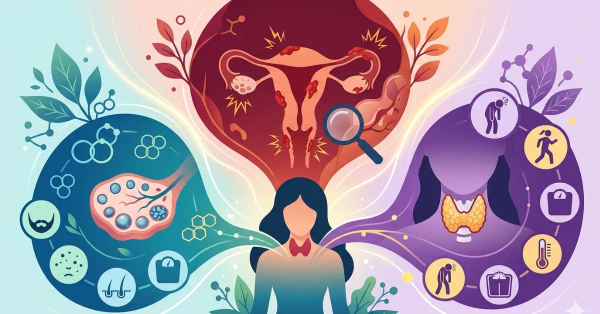
Common Menstrual Disorders: PCOS, Endometriosis, and Thyroid Issues
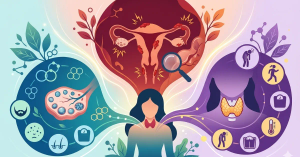
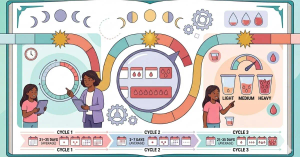
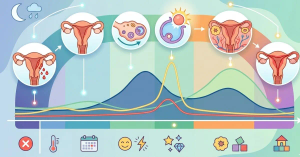
Menstrual health reflects a woman’s hormonal balance and overall well-being. Irregular cycles, excessive pain, or abnormal bleeding are not just inconveniences, they may signal underlying disorders that require attention. Among the most common causes are PCOS, endometriosis, and thyroid dysfunction.
Understanding these conditions helps in early diagnosis, appropriate treatment, and prevention of long-term complications such as infertility, metabolic disorders, and reduced quality of life.
Polycystic Ovary Syndrome is one of the most common endocrine disorders affecting women of reproductive age, particularly in India where lifestyle and genetic predispositions play a significant role.
PCOS is primarily driven by hormonal imbalance, especially excess androgens (male hormones). Insulin resistance also plays a key role, leading to increased insulin levels that stimulate ovarian androgen production.
Irregular or absent periods (oligomenorrhea or amenorrhea)
Excess facial or body hair (hirsutism)
Acne and oily skin
Weight gain or difficulty losing weight
Infertility
Diagnosis is based on the Rotterdam criteria, requiring at least two of the following:
Irregular ovulation
Hyperandrogenism (clinical or biochemical)
Polycystic ovaries on ultrasound
Lifestyle modification (diet, exercise, weight management)
Hormonal contraceptives to regulate cycles
Insulin sensitizers like metformin
Ovulation induction in infertility cases
Endometriosis is a chronic inflammatory condition where tissue similar to the lining of the uterus grows outside the uterus, commonly affecting the ovaries, fallopian tubes, and pelvic lining.
The exact cause is unclear, but theories include retrograde menstruation, immune dysfunction, and genetic predisposition. The misplaced tissue responds to hormonal changes, causing inflammation and pain.
Severe menstrual pain (dysmenorrhea)
Chronic pelvic pain
Pain during intercourse (dyspareunia)
Heavy menstrual bleeding
Infertility
Clinical evaluation
Ultrasound (limited sensitivity)
Laparoscopy (gold standard for confirmation)
Pain relief using NSAIDs
Hormonal therapy (oral contraceptives, progestins, GnRH analogues)
Surgical removal of lesions in severe cases
The thyroid gland plays a crucial role in regulating metabolism and reproductive hormones. Both Hypothyroidism and Hyperthyroidism can disrupt menstrual cycles.
Heavy menstrual bleeding (menorrhagia)
Irregular cycles
Weight gain
Fatigue and cold intolerance
Low thyroid hormone levels can interfere with ovulation, leading to irregular or heavy periods.
Light or absent periods
Weight loss
Heat intolerance
Anxiety and palpitations
Excess thyroid hormones can suppress ovulation, resulting in lighter or missed periods.
Blood tests: TSH, T3, T4 levels
Hypothyroidism: treated with levothyroxine
Hyperthyroidism: treated with antithyroid drugs, radioactive iodine, or surgery
Seek medical consultation if you experience:
Periods absent for more than 3 months
Severe menstrual pain affecting daily life
Excessively heavy bleeding or clots
Difficulty conceiving
Sudden changes in menstrual pattern
Early intervention improves outcomes and reduces complications.
Menstrual disorders such as PCOS, endometriosis, and thyroid dysfunction are common but often underdiagnosed. They go beyond reproductive health and can impact metabolic, emotional, and overall well-being. Awareness, early diagnosis, and a holistic management approach including lifestyle changes and medical treatment are essential.
A regular menstrual cycle is not just about fertility; it is a reflection of internal health. Listening to your body and seeking timely care can make a significant difference in long-term outcomes.
World Health Organization. Reproductive health guidelines and menstrual health resources.
National Health Service. PCOS, endometriosis, and thyroid disorder management guidelines.
American College of Obstetricians and Gynecologists. Practice bulletins on PCOS and endometriosis.
Endocrine Society. Clinical practice guidelines for thyroid disorders.
PubMed-reviewed articles on PCOS pathophysiology and management (latest evidence-based studies).
Indian Journal of Endocrinology and Metabolism, PCOS prevalence and management in Indian women.
About PeriodSakhi
PeriodSakhi is your trusted companion for understanding your menstrual health. With easy-to-use tools, it helps you track your periods, ovulation, fertility, moods, and symptoms, while providing insights into your overall reproductive and hormonal health. PeriodSakhi also serves as a supportive online community where women can share experiences, find reliable information, and access expert-backed guidance on menstrual health, PCOS, pregnancy, lifestyle, and more.
Disclaimer
The views, thoughts, and opinions expressed in this article/blog are solely those of the author and do not necessarily reflect the views of PeriodSakhi. Any omissions, errors, or inaccuracies are the responsibility of the author. PeriodSakhi assumes no liability or responsibility for any content presented. Always consult a qualified medical professional for specific advice related to menstrual health, fertility, pregnancy, or related conditions.
Start the conversation
No comments yet. Start the conversation by leaving the first comment!