It is a quiet morning. You wake up feeling slightly different. There is a strange heaviness in your body. Your breasts feel a little tender. A mild nausea appears even before breakfast. You pause for a moment and think, “Why do I feel like this?”
Your period is not due yet. It may still be a few days away. Yet your body seems to be sending small signals that something is changing. Many women experience subtle physical and emotional shifts even before their period is late. These changes happen because the body begins adjusting to pregnancy hormones almost immediately after implantation. However, the symptoms are often mild and easy to confuse with premenstrual changes. Understanding these early pregnancy symptoms before a missed period can help women become more aware of their bodies and recognise possible signs of conception.
According to gynaecologist and reproductive health educator Dr Saakshi Arora Hans, many women are surprised when they realise that pregnancy symptoms can begin even before the expected date of their menstrual cycle.
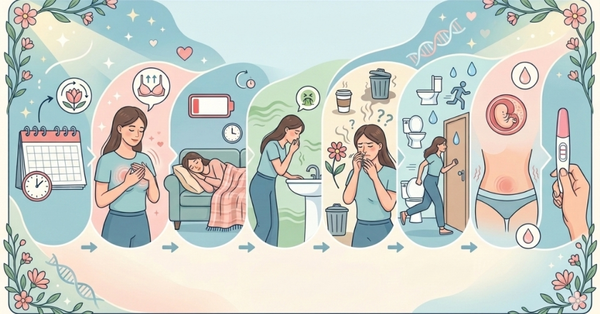
One of the earliest signs of pregnancy can be mild abdominal cramping. This occurs when the fertilized egg attaches itself to the lining of the uterus. This process is called implantation and usually happens about six to ten days after ovulation.
Implantation cramps are usually lighter than menstrual cramps. They may feel like a mild pulling sensation or a dull ache in the lower abdomen. Many women mistake this sensation for an upcoming period.
Some women notice light spotting before their expected period. This is known as implantation bleeding. It happens when the fertilized egg settles into the uterine lining and small blood vessels break.
Implantation bleeding usually appears as light pink or brown spotting and lasts only a few hours or a day. It is much lighter than a normal menstrual flow, often this type of spotting is one of the earliest clues of pregnancy, but not all women experience it.l
Breast changes are among the earliest hormonal symptoms of pregnancy. Even before a missed period, rising levels of hormones such as progesterone and estrogen can make the breasts feel tender, heavy, or swollen. Women may notice that their bras feel slightly tighter. The nipples may become more sensitive than usual.
This symptom can feel very similar to the breast soreness experienced before menstruation, which is why it is often overlooked.
Feeling unusually tired is another common early pregnancy symptom.
In the first days of pregnancy, the hormone progesterone increases rapidly. Progesterone has a calming effect on the body and can cause a sudden drop in energy levels. A woman who usually feels energetic may suddenly feel sleepy or exhausted even after a full night of rest.
Morning sickness is widely known as a pregnancy symptom, but it can begin earlier than many people expect.
Some women feel mild nausea even before their period is due. Certain smells may suddenly become unpleasant. Foods that were once enjoyable may cause discomfort or loss of appetite. In some cases, women develop strong cravings for specific foods. These sensory changes occur because pregnancy hormones affect the digestive system and sense of smell.
Another early symptom is the sudden need to urinate more often. Even in very early pregnancy, the body increases blood flow to the pelvic region. This causes the kidneys to process more fluids, leading to more frequent trips to the bathroom. Although this symptom becomes more noticeable later in pregnancy, some women begin experiencing it quite early.
Hormonal fluctuations in early pregnancy can influence emotional balance. Some women report feeling unusually emotional, sensitive, or irritable before their missed period.
Small things may trigger tears or sudden mood shifts. Doctors often reassure women that these emotional changes are completely normal. Hormonal adjustments in early pregnancy can affect the brain’s chemical signals that regulate mood.
Early pregnancy can also cause digestive changes.
Many women feel abdominal bloating similar to the bloating experienced before menstruation. This occurs because progesterone relaxes the muscles of the digestive tract, slowing digestion and causing gas or fullness because the sensation resembles premenstrual bloating, it can easily go unnoticed as a pregnancy sign.
Women who track their basal body temperature may notice that it stays elevated for more than two weeks after ovulation. Normally, body temperature rises after ovulation and falls just before menstruation.
If pregnancy occurs, the temperature remains slightly higher due to sustained progesterone levels. For women who track their cycles closely, this can be an early indicator of pregnancy.
Another interesting early pregnancy symptom is a heightened sense of smell. Suddenly, everyday scents such as perfume, cooking aromas, or even toothpaste may feel overwhelming. Some women develop a strong aversion to smells they previously enjoyed.
Researchers believe this heightened sensitivity may be the body’s protective mechanism to avoid harmful substances during early pregnancy.
One of the biggest challenges in recognizing early pregnancy symptoms is that they often resemble premenstrual symptoms.
Both conditions involve similar hormonal changes, which can produce overlapping signs such as:
This similarity makes it difficult to rely only on physical symptoms.
Dr Saakshi Arora Hans emphasizes that every woman’s body reacts differently to hormonal changes. Some women notice several early symptoms, while others may not feel any difference at all before a missed period.
Although early pregnancy symptoms can offer clues, they are not reliable for confirming pregnancy. The most accurate way to confirm pregnancy is by taking a home pregnancy test after the first missed period.
Pregnancy tests detect the hormone human chorionic gonadotropin, which begins to increase after implantation. Testing too early may lead to a false negative result because hormone levels may still be low. For the best accuracy, doctors usually recommend testing at least one week after a missed period.
If you suspect pregnancy or experience unusual symptoms, it is advisable to consult a healthcare professional. A doctor may recommend blood tests or ultrasound examinations to confirm pregnancy and ensure everything is progressing normally. Early prenatal care is essential for both maternal health and fetal development.
The earliest signs of pregnancy are often quiet and subtle. They may appear as small physical sensations or emotional shifts that are easy to overlook. A slight fatigue. A gentle nausea. A moment of unexpected tenderness.
These changes reflect the incredible biological process beginning within the body. Dr Saakshi Arora Hans often reminds women that every pregnancy journey is unique. Some women notice early symptoms immediately, while others may only discover pregnancy after a missed period. Listening carefully to the body is important, but it is equally important not to worry if no symptoms appear. Pregnancy does not always announce itself loudly. Sometimes it begins softly, with only a few whispers from the body. Understanding early pregnancy symptoms before a missed period can help women become more aware, informed, and prepared for the possibility of a new beginning.
If you think you may be experiencing early pregnancy symptoms, it is always wise to listen to your body and seek reliable guidance. Small changes can sometimes raise important questions, and having the right information can make a big difference. If you have concerns about possible pregnancy or changes in your menstrual cycle, do not hesitate to consult a qualified gynaecologist. Professional advice can help you understand what your body is going through and guide you toward the right next steps.
About PeriodSakhi
PeriodSakhi is your trusted companion for understanding your menstrual health. With easy-to-use tools, it helps you track your periods, ovulation, fertility, moods, and symptoms, while providing insights into your overall reproductive and hormonal health. PeriodSakhi also serves as a supportive online community where women can share experiences, find reliable information, and access expert-backed guidance on menstrual health, PCOS, pregnancy, lifestyle, and more.
Disclaimer
The views, thoughts, and opinions expressed in this article/blog are solely those of the author and do not necessarily reflect the views of PeriodSakhi. Any omissions, errors, or inaccuracies are the responsibility of the author. PeriodSakhi assumes no liability or responsibility for any content presented. Always consult a qualified medical professional for specific advice related to menstrual health, fertility, pregnancy, or related conditions.
Start the conversation
No comments yet. Start the conversation by leaving the first comment!