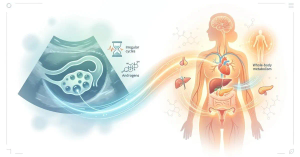
The menstrual cycle is not just about bleeding once a month. It reflects hormonal changes that influence energy, mood, concentration, appetite, sleep, and stress response. Most women notice that some days feel more productive, sociable, and energetic, while others demand rest and emotional space. These fluctuations are normal and linked to estrogen, progesterone, and brain chemistry.
In a fast-paced world, women often ignore these natural rhythms and push themselves to perform the same way every day. Understanding cycle patterns allows better planning, reduces burnout, and supports healthier relationships, work performance, and social confidence. Tracking empowers women to work with their hormones, not against them.
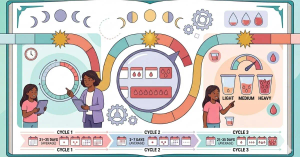
Every phase of the cycle influences behavior differently. Average cycle length ranges from 21 to 35 days.
Bleeding begins as hormone levels fall. Energy may be lower, and cramps or fatigue may occur. The brain tends to prefer calm, routine tasks.
Estrogen gradually rises, improving mood, motivation, creativity, and cognitive clarity. Confidence and energy increase.
LH peaks, an egg is released, and estrogen remains high. Many women feel socially outgoing, physically active, and mentally sharp.
Progesterone rises. Some women feel calmer, but others may experience PMS, irritability, bloating, anxiety, or reduced focus. Energy may dip before periods.
These patterns are not universal, but understanding your personal rhythm helps planning.
Cycle-based planning is not about restrictions. It is about realistic expectations, self-awareness, and balanced energy distribution.
Benefits include:
• Improved productivity
• Better emotional regulation
• Reduced burnout
• Healthier relationships
• Improved body awareness
• Early recognition of mental or hormonal imbalances
• More intentional lifestyle scheduling
Tracking also helps women advocate for themselves at work and home.
Tasks that suit this phase:
• Reviewing existing work
• Low-pressure meetings
• Deep thinking and planning
• Administrative tasks
If pain or fatigue occurs, short breaks, hydration, heat therapy, and gentle stretching help. Remote work or flexible hours, when possible, offer comfort and productivity.
This is often the most productive stage.
Ideal tasks:
• Brainstorming and ideation
• Learning new skills
• Starting new projects
• Career planning
• Strategic thinking
Use this energy to set goals for the month.
Communication skills peak due to hormonal influence on brain chemistry.
Best suited for:
• Presentations
• Networking
• Negotiations
• Job interviews
• Client meetings
• Team collaboration
Confidence and verbal fluency make this a strong professional phase.
Focus may shift inward, but attention to detail improves.
Useful tasks include:
• Editing and proofreading
• Completing pending work
• Organizing files or reports
• Evaluating project progress
If irritability or anxiety occurs, minimize conflict-heavy interactions and practice grounding techniques.
Many women prefer quiet environments.
Suitable activities:
• Movie nights
• Home dinners
• Journaling
• Self-care rituals
• Solo time
Saying “no” to heavy social plans is valid and healthy.
Curiosity and enthusiasm increase.
Recommended activities:
• Travel plans
• Meeting new people
• Trying new hobbies
• Social outings with friends
This phase supports exploring and expanding social circles.
Confidence and attraction may peak.
Best for:
• Dating
• Weddings and celebrations
• Social networking events
• Public gatherings
Many women feel more expressive and sociable now.
Comfort becomes a priority.
Balanced activities:
• Intimate gatherings
• Trusted friendships
• Relaxed outings
• Home-based leisure
If PMS triggers emotional sensitivity, clearer communication may prevent misunderstandings.
Mood shifts during the cycle are biological. Tracking helps women understand patterns instead of blaming themselves.
Helpful strategies:
• Note mood triggers
• Practice mindfulness and breathing exercises
• Maintain stable sleep timing
• Reduce caffeine during PMS
• Use structured routines during low-energy days
If severe depression or anxiety appears frequently, medical evaluation is necessary.
Gentle options like walking, yoga, stretching, and slow pilates help reduce pain without stressing the body.
High-intensity exercise, strength training, and running feel easier and more enjoyable.
Peak strength and endurance support challenging workouts or outdoor activities.
Switch to moderate exercise, deep breathing, and restorative yoga if PMS symptoms appear.
Listening to the body prevents injury and supports long-term consistency.
Cycle-tracking apps, journals, or wearables can record:
• Period dates
• Symptoms
• Mood
• Sleep
• Energy levels
• Productivity trends
• Social preferences
Over time, recognizable patterns emerge. Avoid relying only on predicted dates; your symptoms and body cues matter more.
Seek medical advice if you observe:
• Extremely irregular cycles
• Severe PMS or PMDD
• Intense fatigue affecting work
• Heavy bleeding disturbing daily activities
• Long-standing pain
• Sudden cycle changes after years of regular periods
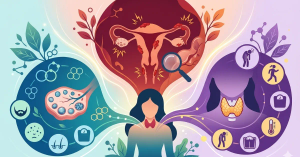
These may indicate thyroid issues, PCOS, anemia, endometriosis, or hormonal imbalance.
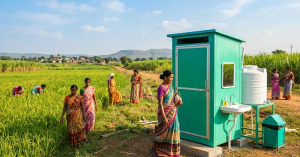
Many Indian workplaces lack policies supporting menstrual discomfort. Awareness helps encourage:
• Flexible scheduling when needed
• Access to clean washrooms
• Reduced stigma around menstrual health
• Open and respectful conversations
Cycle-based planning does not require disclosure but empowers internal decision-making.
Women often feel pressured to appear cheerful and available throughout the month. Respecting personal rhythms improves boundaries, self-esteem, and emotional health. Planning rest days and saying “no” when needed prevents exhaustion.
• Track your cycle for at least three months
• Plan high-focus tasks during follicular and ovulatory phases
• Schedule self-care during late luteal phase
• Carry sanitary products and pain medication during expected periods
• Hydrate well throughout the cycle
• Communicate needs clearly with family or colleagues
• Avoid comparing your cycle to others, every woman is unique
Consistency is more important than perfection.
Cycle awareness is a powerful tool for managing work, relationships, fitness, emotional health, and social life. Hormones influence how women think, feel, and function, and honoring these shifts supports productivity, confidence, and wellbeing. By tracking patterns and planning accordingly, women can lead more balanced, intentional, and compassionate lives. Understanding your cycle is not only about fertility, it is about self-awareness, autonomy, and holistic health.
About PeriodSakhi
PeriodSakhi is your trusted companion for understanding your menstrual health. With easy-to-use tools, it helps you track your periods, ovulation, fertility, moods, and symptoms, while providing insights into your overall reproductive and hormonal health. PeriodSakhi also serves as a supportive online community where women can share experiences, find reliable information, and access expert-backed guidance on menstrual health, PCOS, pregnancy, lifestyle, and more.
Disclaimer
The views, thoughts, and opinions expressed in this article/blog are solely those of the author and do not necessarily reflect the views of PeriodSakhi. Any omissions, errors, or inaccuracies are the responsibility of the author. PeriodSakhi assumes no liability or responsibility for any content presented. Always consult a qualified medical professional for specific advice related to menstrual health, fertility, pregnancy, or related conditions.
Start the conversation
No comments yet. Start the conversation by leaving the first comment!