“Strength is not only what you build at the gym, but how you show up for your body on the days it feels the weakest.”
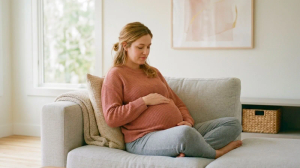
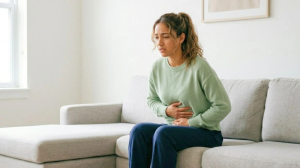
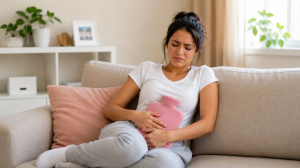
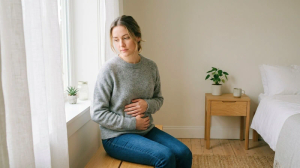
Periods often arrive with a mix of cramps, bloating, fatigue, and stiffness that make many women want to curl up in bed. While rest is important, gentle movement especially focused on the core can bring real physiological relief. The core does more than shape the waistline. It includes deep abdominal muscles, pelvic floor, diaphragm, and lower back that together support the uterus and surrounding structures.
When these muscles activate in a slow, controlled manner, blood circulation improves, endorphins rise, inflammation reduces, and the uterus experiences less tension. For many menstruators, the right exercises can reduce pain, calm the mind, and build strength that prevents severe symptoms in future cycles.
During menstruation, reduced blood circulation around the pelvis contributes to pain. Gentle core movement encourages more oxygen supply to muscles and the uterus, easing cramps.
Physical activity boosts natural pain-relieving hormones, which can improve mood and help with irritability or anxiety linked to PMS.
Core stability takes pressure off the spine. This is helpful because prostaglandins hormone-like substances released during periods often cause intense back discomfort.
Bloating and constipation are common during periods due to hormonal changes. Activating the core stimulates gut motility and reduces sluggishness.
The pelvic floor works closely with the uterus. When strong, it supports healthy posture and reduces future pelvic discomfort.
You should honor your energy levels. If cramps are unbearable, dizziness is present, or flow is extremely heavy, prioritizing rest, hydration, and heat therapy is better. On moderate days, slow and intentional core exercises are safe and beneficial.
If you have:
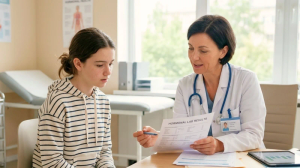
Consult a gynecologist or physiotherapist before trying new movement routines.
These exercises are low-impact and gentle on joints. They focus more on breathing and muscle activation than high-intensity strain.
Perform each with slow breathing. Stop if any pain sharpens.
How to do:
Start on hands and knees. Arch your back upward (cat), then dip it gently while lifting your chest (cow).
Benefits:
Reps: 10–12 slow cycles
How to do:
Sit back on your heels, stretch arms forward, and lower your torso while taking slow, deep breaths through the belly.
Benefits:
Hold: 30–60 seconds
How to do:
Lie on your back with knees bent. Gently press your lower back into the floor, tightening the abdominal muscles.
Benefits:
Reps: 12–15 repetitions
How to do:
Lie on your back, knees bent at 90°, arms up. Lower one arm and the opposite leg without arching your back, then switch.
Benefits:
Reps: 8–10 on each side
How to do:
Lift your hips upward, squeezing glutes while maintaining steady breathing.
Benefits:
Reps: 10–12 repetitions
How to do:
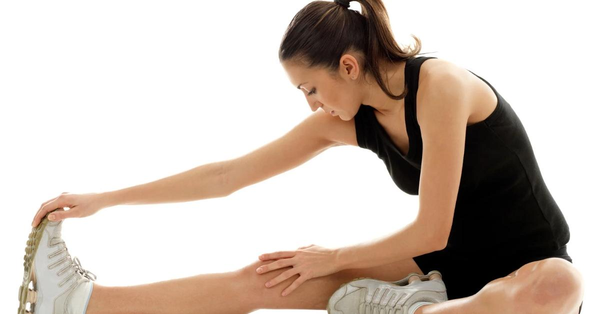
Sit with legs straight. Reach forward gently, aiming to stretch your hamstrings while breathing deeply.
Benefits:
Hold: 20–30 seconds
How to do:
Lie on your back and pull both knees to the chest, giving a gentle hug.
Benefits:
Hold: 20–40 seconds
How to do:
Perform a plank with knees on the floor. Keep spine straight and neck relaxed.
Benefits:
Hold: 15–20 seconds (increase slowly)
The diaphragm, core, and pelvic floor work together. Taking deep breaths signals the body to relax pelvic muscles and reduces prostaglandin-related spasm. Breathing improves emotional balance too.
| Tip | Why It Helps |
| Use a heating pad before exercise | Warms muscles and reduces pain |
| Start with warm-up stretching | Prevents stiffness and injury |
| Avoid high-intensity ab crunches | Can increase inflammation and fatigue |
| Hydrate and add electrolytes | Prevents headaches and weakness |
| Wear comfortable clothing | Reduces pressure on the abdomen |
| Listen to your body | Pain is a sign to modify or stop |
Regular core strength improves posture, balances load on pelvic muscles, and reduces chronic lower back strain. Studies show that physical activity can reduce PMS severity, mood swings, fatigue, and bloating over time. A strong core also supports better reproductive organ function due to improved circulation and muscle balance around the pelvis.
In simple terms:
A stronger core today leads to smoother cycles in the future.
Core exercises during periods are not about pushing harder but supporting the body with compassion. Gentle activation of the abdominal and pelvic muscles can reduce cramps, ease bloating, brighten mood, and build functional strength that benefits every cycle. By connecting breath, movement, and awareness, menstruation can shift from a time of discomfort to one of self-care and resilience.
About PeriodSakhi
PeriodSakhi is your trusted companion for understanding your menstrual health. With easy-to-use tools, it helps you track your periods, ovulation, fertility, moods, and symptoms, while providing insights into your overall reproductive and hormonal health. PeriodSakhi also serves as a supportive online community where women can share experiences, find reliable information, and access expert-backed guidance on menstrual health, PCOS, pregnancy, lifestyle, and more.
Disclaimer
The views, thoughts, and opinions expressed in this article/blog are solely those of the author and do not necessarily reflect the views of PeriodSakhi. Any omissions, errors, or inaccuracies are the responsibility of the author. PeriodSakhi assumes no liability or responsibility for any content presented. Always consult a qualified medical professional for specific advice related to menstrual health, fertility, pregnancy, or related conditions.
Start the conversation
No comments yet. Start the conversation by leaving the first comment!