Impact of Hormonal Imbalance on Pubertal Development
A child's body does not transform instantly. It grows gradually, and this is controlled by various signals within the body. Hormones control these signals. As long as everything is functioning well, puberty occurs at the right time and happens normally. However, when something is out of balance, the whole process is affected.
There are instances when parents have noticed changes in their child but do not know if they are within the normal range. A sudden growth spurt, delayed development, and unusual physical changes may occur. Most of these changes occur because of hormonal imbalance in children.
Hormonal changes in puberty development are crucial to understand, especially when changes occur early or too late. It is not just a matter of a child's appearance. It may also affect their height and well-being.
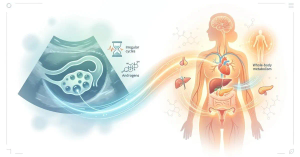
Puberty is regulated by the endocrine system. The endocrine system consists of glands in the body. These glands include the pituitary gland, thyroid gland, and adrenal glands. The glands produce hormones, which are used as messengers.
Puberty begins with a message sent by the brain. The message is meant for the release of hormones. The hormones control physical changes, including growth, reproductive organs, and the structure of the body.
When the system is functioning correctly, it results in a predictable pattern of puberty. However, when there is a disturbance in the system, it can result in a hormonal imbalance in children. The imbalance can either speed up or delay puberty.
Hormonal Imbalance is a condition where the body is producing either too much or too little of a hormone. This, in turn, impacts the way the body is developing.
Hormonal imbalance in children may include:
Early Puberty
Delayed Puberty
Irregular Physical Growth
Sudden Changes in Growth Patterns'
Though the causes may differ, the impact is usually noticeable at the time when the child is supposed to be going through puberty.
One of the major hormones during puberty is estrogen. It plays a major part in the development of girls.
Normal estrogen levels in girls can help in:
Development of the breast
Regulation of the menstrual cycle
Bone growth and strength
High estrogen levels may be associated with early pubertal changes, which can occur before the age of 8 in girls. Low estrogen levels, on the other hand, may delay puberty, leading to delayed breast development or late onset of menstruation.
The balance of estrogen levels in girls needs to be maintained to ensure healthy and timely development.
Sometimes, the underlying reason for a hormonal imbalance is an endocrine disorder. Endocrine disorders are medical conditions affecting glands in our bodies responsible for producing hormones.
Endocrine disorders affecting children include:
Thyroid disorders
Growth hormone deficiency
Polycystic ovary syndrome (PCOS) in adolescents
Adrenal gland disorders
According to the World Health Organization, there is growing global concern about endocrine-related disorders, with increasing evidence linking environmental and lifestyle factors to hormonal imbalances.
The body often shows clear signs when something is not right. Parents should pay attention to unusual patterns.
Development of physical features at a very young age
Rapid height increase followed by slowing growth
Acne or oily skin appearing early
No visible changes by expected age
Slow or absent growth spurt
Lack of development of secondary sexual features
Mood swings or emotional changes
Unexplained weight gain or loss
Fatigue or low energy
These signs may point toward hormonal imbalance in children, especially when they appear together.
Hormones not only control puberty, but also growth. Therefore, an imbalance in the level of hormones may affect the height of a child in a number of ways.
Hormonal changes, which may occur early, result in early growth but also early cessation of growth. Hormonal changes, which occur late, result in late growth but result in late cessation of growth.
This is the reason why some children may look tall at a young age but fail to grow into even taller people, while some look short at a young age but end up looking tall.
It is not just physical changes. There are also changes in emotions and behavior.
Some of the effects of hormonal imbalance in children are:
Anxiety or confusion
Low confidence levels
Difficulty in adjusting to society
If a child appears to be older or younger than their peers, they might feel different, which can cause a problem in their confidence levels.
Parents should focus on maintaining open communication to support their child’s emotional well-being.
There are several factors that disrupt hormonal balance.
Inadequate nutrition may influence hormone production.
Excessive body fat may lead to early hormonal changes, especially in girls.
According to research from the National Institutes of Health, childhood obesity is strongly associated with earlier puberty onset.
Excessive stress may disrupt hormone levels.
Chemicals present in plastics, food packaging, and pollutants may disrupt hormone levels.
Certain health conditions may directly influence hormone production.
If signs of an unbalanced condition are ignored, complications can occur.
Shorter Height in Adults
Risk of Metabolic Disorder
Hormonal Disorder in Adults
If the disorder is identified early, it can be managed effectively.
Doctors can use a variety of tests, such as hormone level tests, blood tests, and imaging tests, to identify the problem.
Yes, it can be managed with proper care in many cases.
The treatment for it depends on the underlying cause. The treatment for it can include:
Hormone therapy
Treatment of underlying endocrine disorders
Lifestyle and dietary changes
Regular monitoring is also important.
Provide a balanced and nutritious diet
Promote physical activity
Ensure adequate sleep
Limit processed foods and sugary drinks
Maintain open and clear communication with your child.
Recent studies indicate a change in the pattern of puberty.
Girls are entering puberty at an earlier age
Lifestyle and environmental changes are playing a role
According to a study published in JAMA Pediatrics, a notable change in the timing of puberty has been observed in recent times.
This increases the importance of awareness regarding hormonal imbalance in children.
Parents need to seek medical advice in cases where:
Puberty occurs too early or too late
Growth patterns are unusual
Endocrine diseases are suspected
There is emotional distress
Early medical intervention can prevent complications in later life.
Puberty is a natural process, but it is greatly influenced by hormones. Any hormonal imbalance can significantly affect physical and mental development.
Awareness of hormonal imbalance in children, monitoring estrogen levels in girls, and being aware of endocrine disorders can help parents take appropriate actions at appropriate times.
The idea is not to get worried but to remain aware and informed. With appropriate care and attention, children can go through a healthy and balanced puberty.
Stay informed about your child’s hormonal health and development with the right guidance at every step. Visit TheParentZ.com, to explore simple, reliable information on puberty, growth, and overall well-being. You can also use the TheParentZ App to keep track of your child’s development and health changes in an easy and organized way.
FAQS
Q. What is a hormonal imbalance in children?
This means the body is producing too much or too little of certain hormones, which can impact growth and puberty.
Q. How do estrogen levels in girls affect puberty?
When estrogen is at the right level in girls, it is helpful in normal development. Too much or too little estrogen can result in early or delayed puberty.
Q. What are common signs of hormonal imbalance during puberty?
Early or delayed puberty, unusual growth patterns, moodiness, and weight changes are some common signs.
Q. Are endocrine disorders serious in children?
Certain endocrine disorders have the potential to impact long-term health, but with proper medical care and management, these disorders can be controlled.
Q. Can a hormonal imbalance be treated?
Yes, these disorders can be managed well with proper medical care and lifestyle changes.
References:
https://www.ncbi.nlm.nih.gov
https://jamanetwork.com
https://www.who.int
About PeriodSakhi
PeriodSakhi is your trusted companion for understanding your menstrual health. With easy-to-use tools, it helps you track your periods, ovulation, fertility, moods, and symptoms, while providing insights into your overall reproductive and hormonal health. PeriodSakhi also serves as a supportive online community where women can share experiences, find reliable information, and access expert-backed guidance on menstrual health, PCOS, pregnancy, lifestyle, and more.
Disclaimer
The views, thoughts, and opinions expressed in this article/blog are solely those of the author and do not necessarily reflect the views of PeriodSakhi. Any omissions, errors, or inaccuracies are the responsibility of the author. PeriodSakhi assumes no liability or responsibility for any content presented. Always consult a qualified medical professional for specific advice related to menstrual health, fertility, pregnancy, or related conditions.
Start the conversation
No comments yet. Start the conversation by leaving the first comment!