“When your energy rises, rise with it. Your cycle is your superpower, train with it, not against it.”
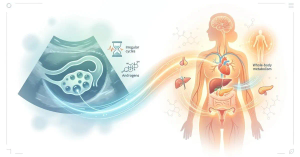
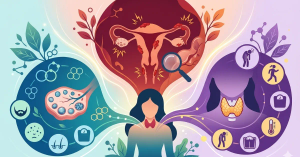
Women do not have the same energy levels every day. Hormones change how strong, flexible, and motivated we feel. The time around ovulation is considered the peak-performance phase. Estrogen is higher, mood is better, and exercise feels easier. This is when the body is naturally ready to take on more strength and endurance challenges. Instead of forcing workouts on low-energy days, training hard when your body is already supporting you gives better results and reduces burnout.
During this phase, muscles recover faster, pain tolerance increases, and coordination improves. It is common to feel more confident and capable, which encourages pushing personal limits. If a woman uses this phase wisely, she can build muscle more effectively, improve metabolism, and boost cardiovascular health. The goal of this article is to provide a balanced structure that strengthens major muscle groups while improving stamina, but without overwhelming the body.
Estrogen plays an important role in muscle repair and carbohydrate usage. When it is high, the body handles intense workouts more efficiently. Injury risk also becomes lower because joints are better supported and the brain-muscle connection becomes sharper. This is why women often run faster or lift heavier naturally around ovulation.
The heart and lungs also respond better during this phase. Endurance workouts feel more enjoyable and breathing is more controlled. With stronger muscles and a more responsive cardiovascular system, the body can handle combination training. Strength and endurance performed together increase overall fitness, enhance metabolic rate, and help maintain a healthy weight in the long term.
Matching workout intensity with hormonal support brings sustainable progress. Instead of guessing when to push harder, a woman can follow her body’s design and grow stronger with less stress.
This workout includes both controlled strength training and heart-boosting endurance segments. Each movement targets key muscles that support posture, joint stability, and everyday performance. The focus is on quality repetitions, steady breathing, and listening to your body.
Begin with five minutes of light warm-up movements such as marching on the spot, shoulder rolls, and slow squats. Once the blood flow increases and muscles feel ready, move into the main routine. The structure alternates between strength and endurance to keep the body engaged without draining energy.
Start with squats. They strengthen the thighs, glutes, and core while improving balance. Perform them at a comfortable depth and maintain a slow, controlled motion. Follow squats with brisk walking, step-ups, or skipping in place to raise the heart rate and activate stamina. Then continue with push-ups or wall push-ups to engage the chest, arms, and shoulders. After that, shift again into endurance with a short jog on the spot or fast marches. Move into lunges or static lunges to strengthen hips and legs and improve coordination. Alternate again with a round of active movement for heart health.
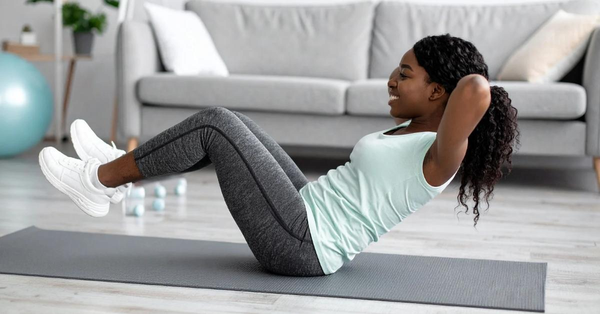
Add body-weight rows using a resistance band or a sturdy surface to strengthen the upper back. This supports posture, especially for women who sit for long hours. Finish the routine with core strengthening such as planks or gentle controlled crunches. The core plays a vital role in hormonal balance and stability, so building it supports overall fitness.
The session can be challenging but should leave you feeling powerful rather than exhausted. The aim is to push limits in a smart way, keeping form safe and breathing steady. Two to three rounds of this structure are sufficient on high-energy days.
Peak-performance workouts need the right fuel. Estrogen increases the body’s ability to use carbohydrates, so eating a balanced meal one to two hours before training supports muscle power and prevents dizziness. Include whole grains, fruits, and lean protein such as eggs, paneer, tofu, or lentils. After exercising, protein becomes essential for muscle repair. A simple smoothie with Greek yogurt or a bowl of sprouts helps recovery.
Hydration is equally important. Sweating and high activity increase the need for electrolytes. Coconut water, lemon water, or oral rehydration drinks prevent fatigue and keep muscles functioning smoothly. Skipping hydration can lead to cramps and reduced performance.
Even during your strongest days, the body still needs downtime. Adequate sleep increases growth hormone release, which supports muscle strength and fat burning. Rest days between peak-phase workouts prevent the body from hitting an exhaustion point. Gentle stretching or walking can help maintain mobility without placing pressure on the joints.
Mind-body relaxation techniques such as deep breathing or meditation are beneficial. Stress management maintains hormonal balance and prevents the fatigue that sometimes appears suddenly even in high-energy phases.
Listening to your body is a part of training intelligently. If there is sharp pain, dizziness, chest discomfort, or persistent breathlessness, stop immediately. High estrogen reduces perceived effort, so over-training becomes a hidden risk. The goal should always be sustainable strength, not forcing the body into injury.
If soreness lasts more than two days, lighten the next session. Fitness does not come from a single powerful workout. It comes from consistency throughout the cycle.
Peak-performance days are a gift from your hormones. When you tap into this natural boost, your workout becomes more productive and enjoyable. Strength and endurance together shape a healthier metabolism, a stronger body, and a clear mind. Instead of treating your cycle as a limitation, embrace it as a training cycle designed by nature.
When your energy supports you, rise confidently. You do not need to fight your body to become stronger. You only need to follow its rhythm. Your peak days are your moment to shine and with the right workout, your strength can grow beyond what you imagined.
About PeriodSakhi
PeriodSakhi is your trusted companion for understanding your menstrual health. With easy-to-use tools, it helps you track your periods, ovulation, fertility, moods, and symptoms, while providing insights into your overall reproductive and hormonal health. PeriodSakhi also serves as a supportive online community where women can share experiences, find reliable information, and access expert-backed guidance on menstrual health, PCOS, pregnancy, lifestyle, and more.
Disclaimer
The views, thoughts, and opinions expressed in this article/blog are solely those of the author and do not necessarily reflect the views of PeriodSakhi. Any omissions, errors, or inaccuracies are the responsibility of the author. PeriodSakhi assumes no liability or responsibility for any content presented. Always consult a qualified medical professional for specific advice related to menstrual health, fertility, pregnancy, or related conditions.
Start the conversation
No comments yet. Start the conversation by leaving the first comment!